PLEDGE TO RESTORE
Women Empowerment
In Sri Lanka, PLEDGE Women Empowerment program ensures gender equality. It improves livelihood, promoting women’s confidence, self-worth, and ability to determine their own choices to take responsibility for their families.
United Nations Sustainable Development Goal 5 states, “achieve gender equality and empower all women and girls.” Gender equality is a fundamental human right and a necessary foundation for a peaceful, prosperous, and sustainable world.
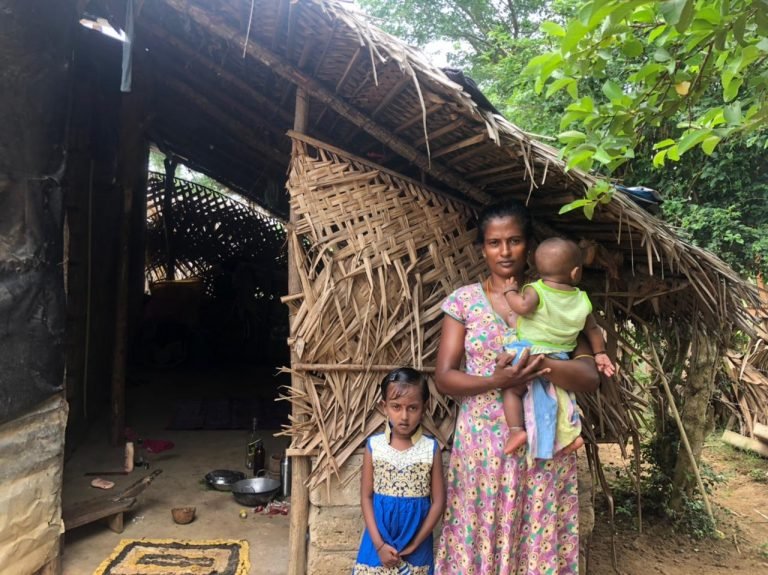
Women and girls continue to face discrimination and violence in every part of the world and the North East of Sri Lanka. In addition, decades of civil war made women carry their family burden on their shoulders as the breadwinner for the family. Hence, our women empowerment projects foster employment opportunities for women-headed families in North and East Sri Lanka.
- Establish high-level corporate leadership for gender equality.
- Treat all women and men fairly at work – respect and support human rights and non-discrimination.
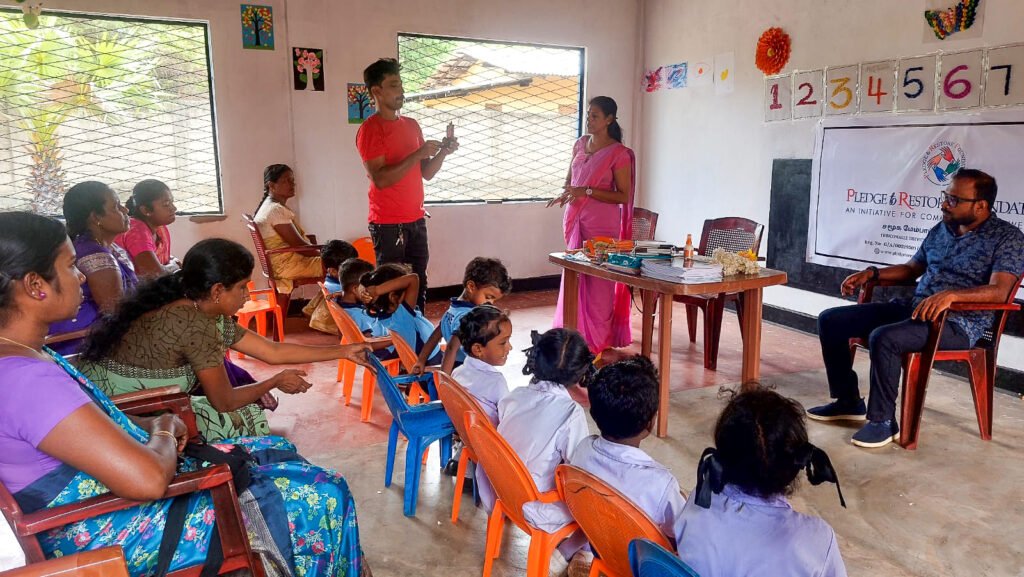
- Promote education, training, and professional development for women.
- Implement enterprise development, supply chain, and marketing practices that empower women.
- Promoting women’s economic empowerment.
- Address barriers faced by women entrepreneurs, including the market supply-side gap preventing women from accessing finance.
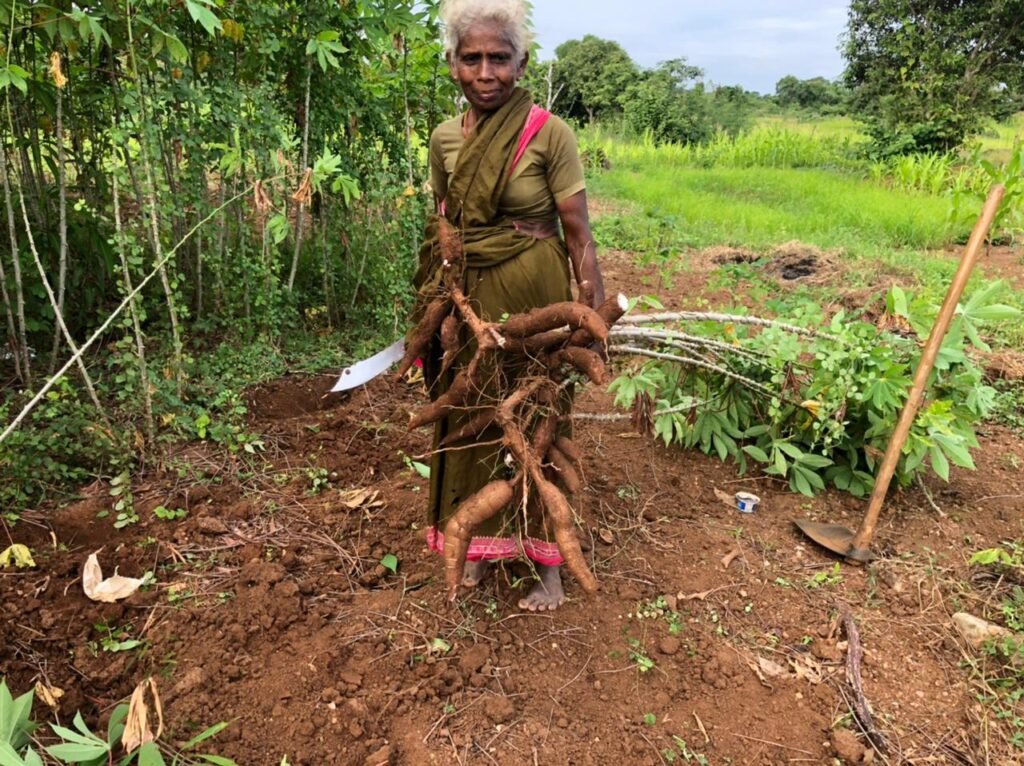
- Supporting women to access resources and innovations to improve agricultural productivity to income.
There are still challenges and areas where women face inequality and limited opportunities. Gender-based violence, including domestic violence, sexual harassment, and violence against women and girls, remains a significant challenge in Sri Lanka. Many women experience physical, sexual, and psychological abuse, often with limited access to justice and support services.
Women in Sri Lanka may face limited access to economic opportunities, particularly in non-traditional sectors. They often encounter barriers such as a lack of skills training, limited access to credit and capital, and gender-based stereotypes that restrict their employment and entrepreneurial prospects.
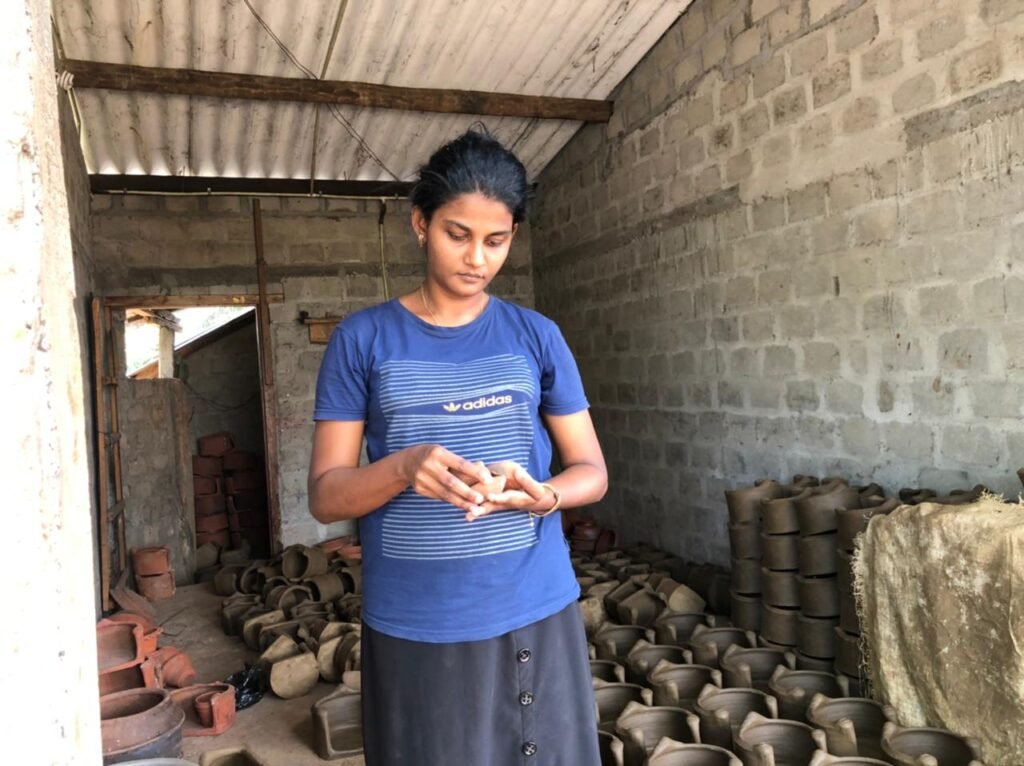
Addressing gender-based violence is a critical aspect of women’s Empowerment. Sri Lanka needs to strengthen measures to prevent and respond to violence against women, including domestic violence, sexual harassment, and harmful traditional practices. This involves raising awareness, providing support services for survivors, and ensuring the effective implementation of laws and policies.
According to the Sri Lanka Household Income and Expenditure Survey (HIES) 2016/17, approximately 23% of households in Sri Lanka were headed by women. This indicates a significant proportion of households where women are the primary decision-makers and breadwinners.
Women-headed households are more prevalent in certain regions of Sri Lanka, particularly in the Northern and Eastern provinces, where the impact of the civil war has resulted in a higher number of female-headed households.
The war led to the displacement of hundreds of thousands of people, with many women and children being particularly affected. Women faced challenges related to the loss of homes, livelihoods, and separation from family members. They often had to take on new roles as heads of households and caregivers.
Women who lived in conflict zones were affected by human rights violations, including sexual violence, abduction, forced recruitment, and torture. The conflict disrupted livelihoods, agriculture, and infrastructure, resulting in economic hardships for women. Many women became widows or had family members missing or disabled, making it difficult to sustain their households. The lack of economic opportunities further exacerbated their vulnerability.
Empowering women will create economic growth in their village, political stability, social transformation and empower women leadership.
Women’s adult literacy is lower than men, and women’s unemployment rate is higher than men. For the last three decades, this was the case, indicating that while women have access to education, not able to translate into equal employment later in life. This is an issue that needs to be addressed by the government and the local NGOs to ensure that access to education and jobs benefits in the long run.
The Global Gender Gap Report grades 144 countries on their progress toward attaining gender equality in four areas: Economic Participation and Opportunity, Educational Attainment, Health and Survival, and Political Empowerment. Sri Lanka has been declining from its position in the top 20 since 2010.
Join our women empowerment program to contribute towards helping women to improve the lives of underprivileged women by providing them with a regular source of income.
Gender equality and women’s empowerment in Sri Lanka.
The PLEDGE promoting women and girls rights in Sri Lanka. North and East mostly affected area from the civil war, families has been displaced many times, lost everything and now left with nothing. We:
Improve recognition of shame, autonomy and clarity on challenges to sustainable development.
Build knowledge of rights and laws on which spontaneous solutions to these challenges are based.
Strengthen leader disciplines needed to ably use rights and laws when pursuing solutions.
Mobilize a community-based umbrella network of women-led organizations and Cooperative (Network) across boundaries to drive development.
Our work focuses across foreign policy, economic diplomacy and development that will deliver economic development, growth and stability in the regions.