Batticaloa district animal husbandry plays a vital role in contributing to the national income of Sri Lanka and grazing ground for cattle situated on divisional secretariat divisions such as Porathivati Vellawela, Manmunai South West Kokkaticholai, Manmunai West Vaunathivu, Eravur Debit Chengaladi, Koralapati South Gran, Koralapati Banana Chenai, Koralapati North Vakarai in Batticaloa District.
Batticaloa district is believed to have at least 5 lakh 80,000 cattle. The Department of Veterinary Health states that 3 lakh 60,000 cattle have been registered in the community. 28,000 liters of milk are received daily in the district. This milk production is higher from February to June in the year and lower in other months. (10,000 liters of milk supplied in February-June 28000, July-November 18,000, December-January) Accordingly, 250,000.00 liters of milk are sold annually.
Dairying is an important source of subsidiary income for small/marginal farmers and agricultural laborers living in the East of Sri Lanka – Batticaloa and Ampara Districts.
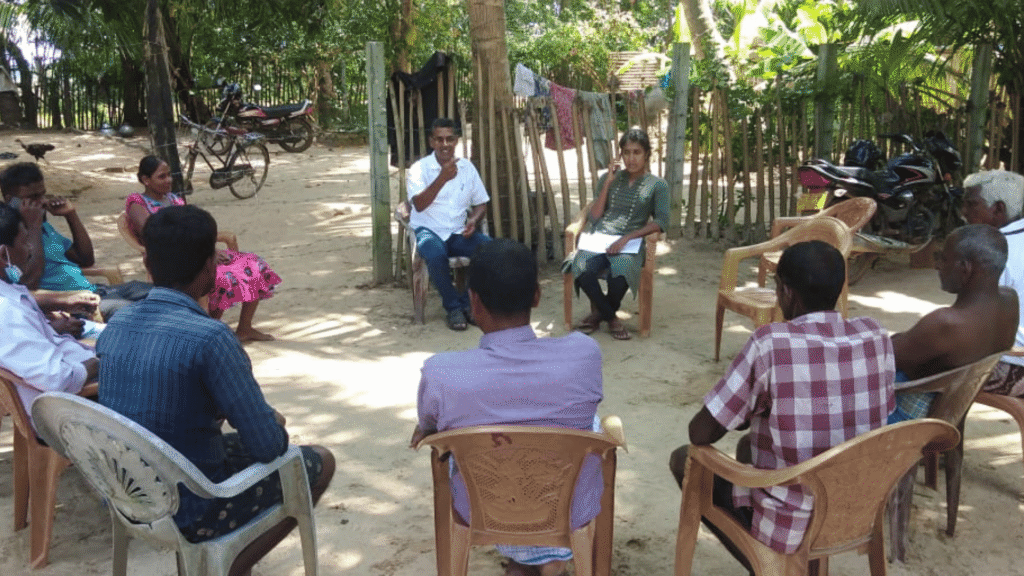
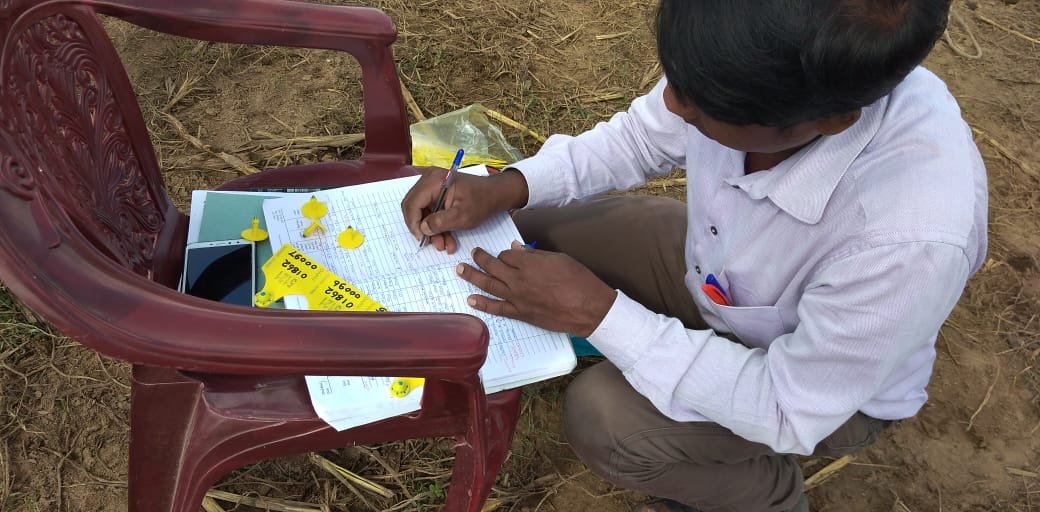
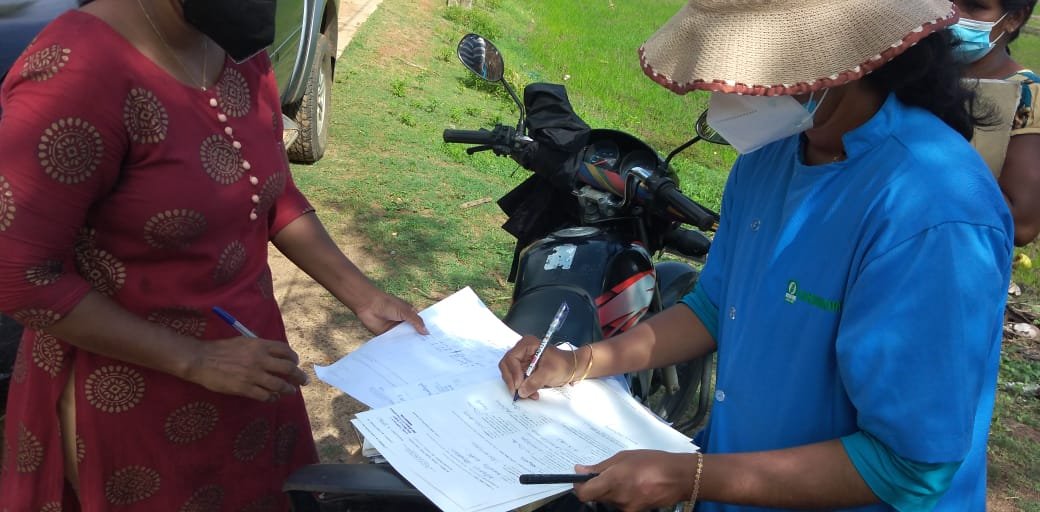
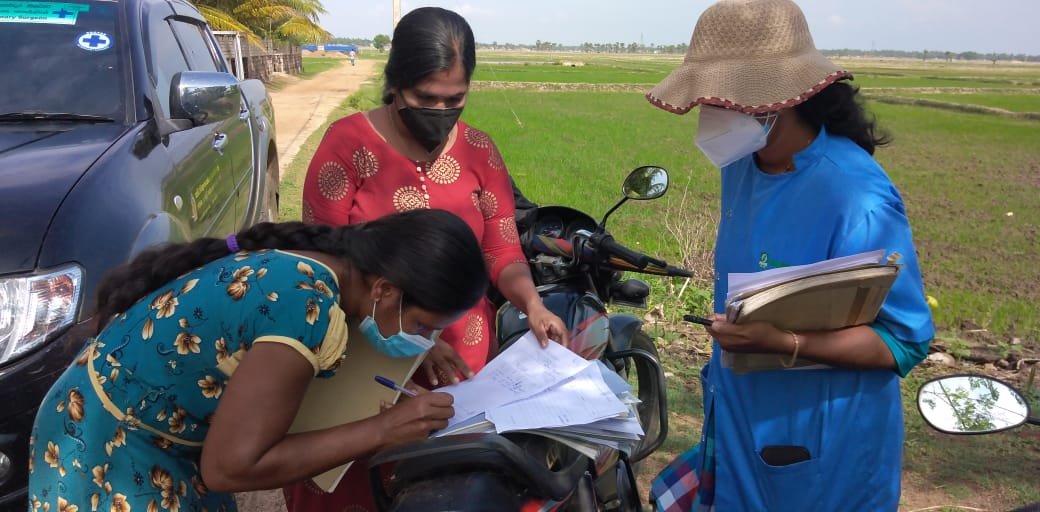
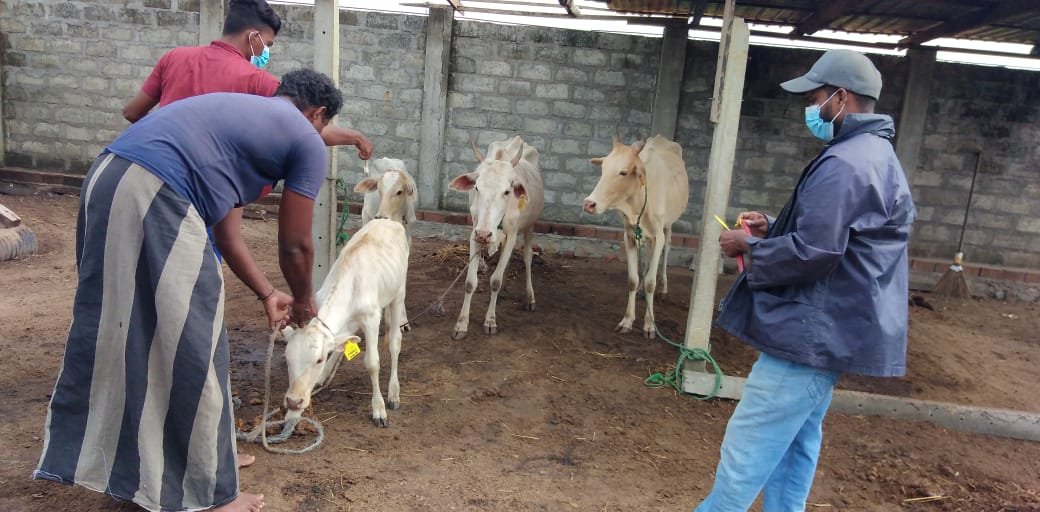
Cattle farmers are caught up in the day-to-day activities of running a traditional cattle farming operation. It is intentional to develop a plan to tag and register all cattle owned by farmers in the government registry to improve cattle management.
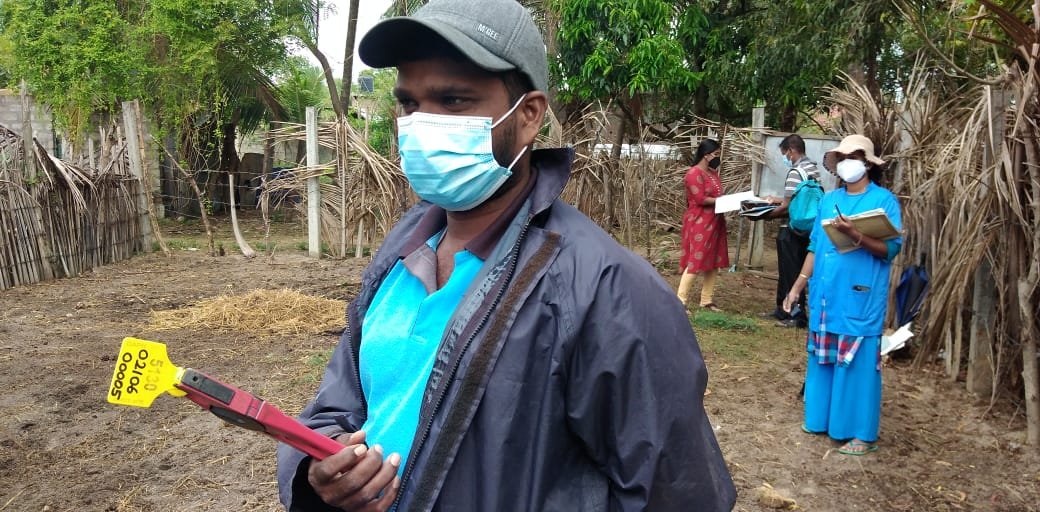
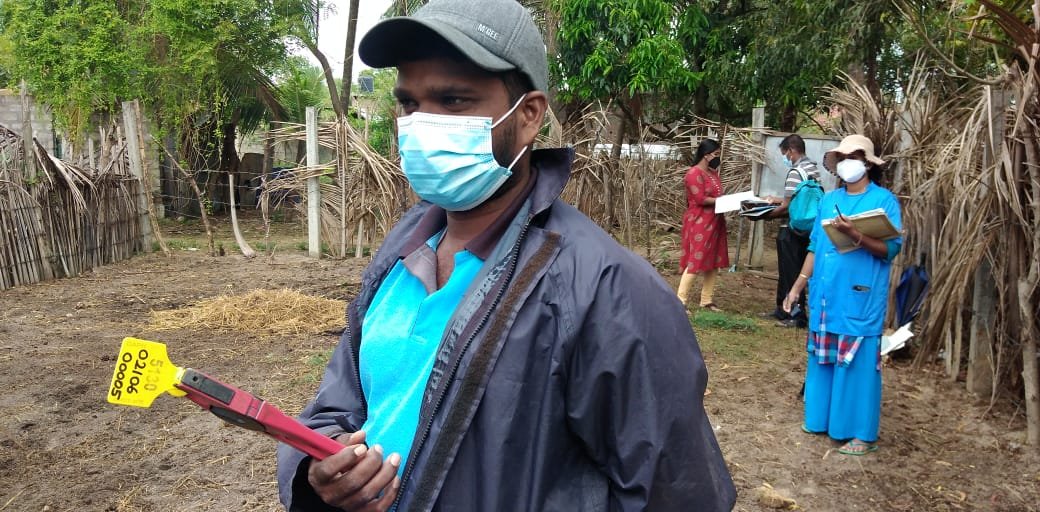
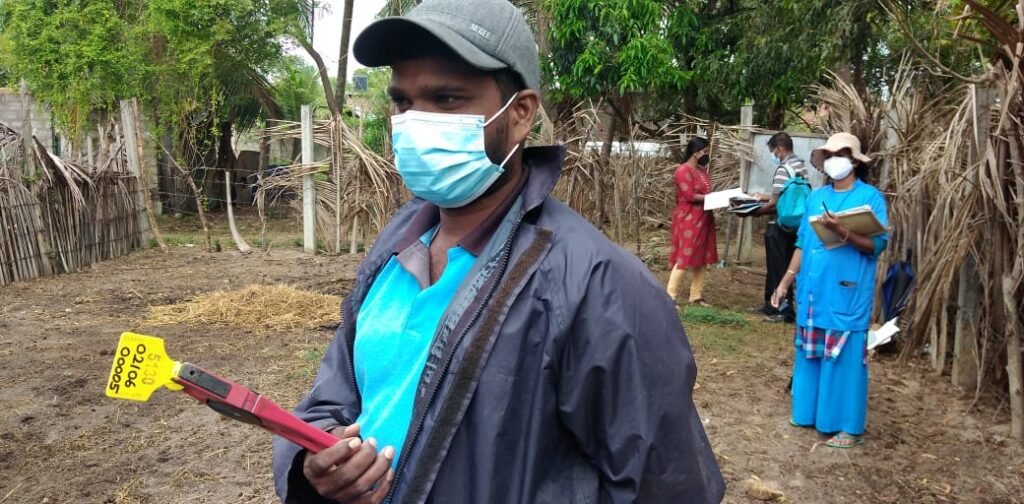
Cattle tagging is vital in Sri Lanka for several reasons. Firstly, it helps to identify individual animals and keep track of their movements, which is helpful for disease control and prevention. Additionally, tagging allows farmers to monitor the health and growth of their cattle and keep track of breeding information. In the past, cattle theft has also been a problem in Sri Lanka, and tagging can help prevent this by making it easier to identify stolen animals and their owners. Overall, cattle tagging is an essential tool for farmers in Sri Lanka to manage their herds and ensure the health and safety of their animals.
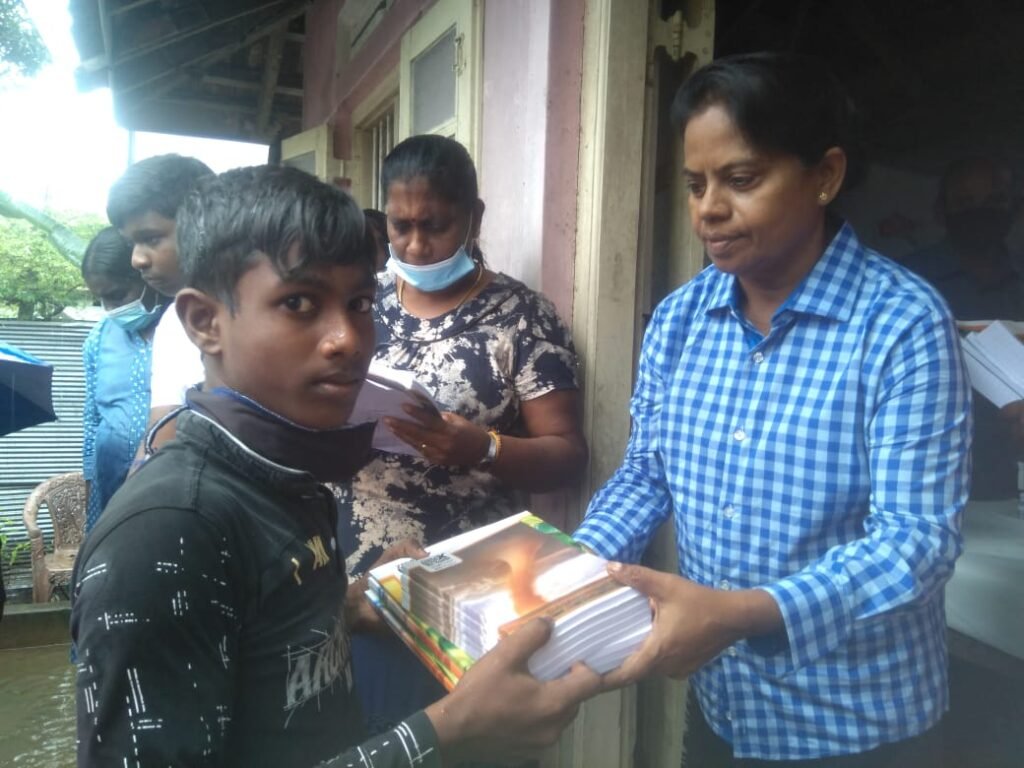
A community-based program to improve the cattle farming industry in the selected rural area will help the poor achieve self-sufficiency while providing them with valuable skills and knowledge-based training to sustain employment.
Ear tagging is essential to Livestock Identification, and earmarking is mandatory in Sri Lanka. It also has business benefits by enabling livestock to be identified on-farm, leading to improved management.
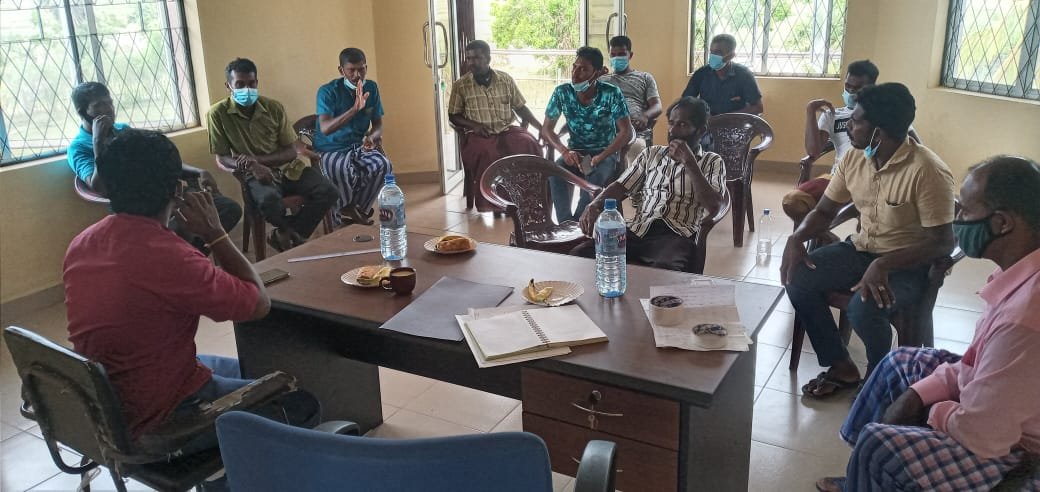
The project establishes farming societies, enabling them to work together to develop and manage resources, enhance food security, support small-scale entrepreneurs, and foster public-private partnership programs.
Partner with the ministry, district government agencies, cattle farmers & livestock development authority. Ear tag provides individual care for cows and is fundamental to the future of dairy farming in the district. We are assisting the cattle industry in implementing standards in identifying individual cows. Every calf gets a unique ID number registered in the database at birth.